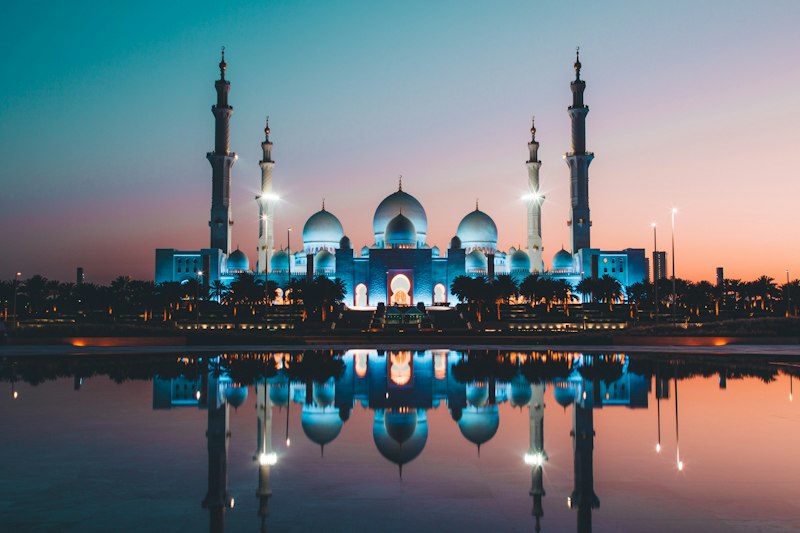
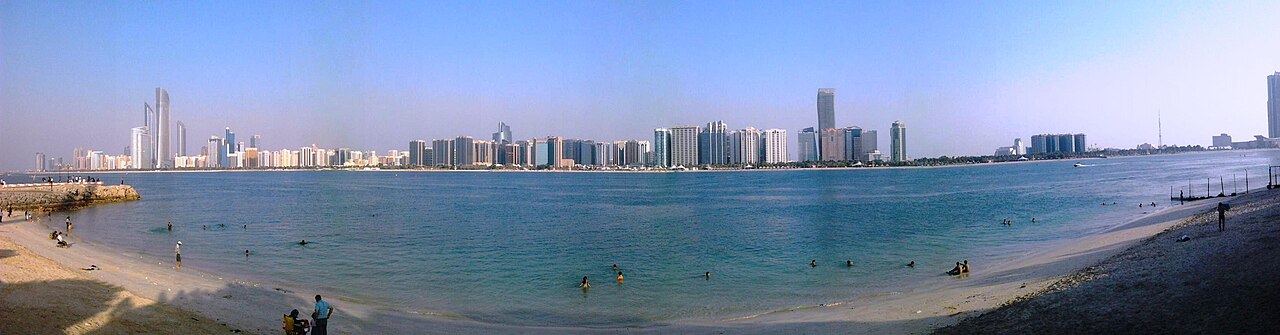
Abu Dhabi often lives in the shadow of its flashier neighbor Dubai, and that is exactly what makes it special. While Dubai dazzles with spectacle, Abu Dhabi seduces with substance. This is a city where a world-class art museum sits alongside a grand mosque, where desert dunes meet turquoise waters, and where the pace of life allows you to actually breathe.
Here is everything you need to know to make the most of Abu Dhabi.
When to Visit
Like Dubai, the best months are November through March, with comfortable temperatures around 24–30°C. The F1 Grand Prix weekend in late November brings a particular energy to the city. Summer months are brutally hot and best avoided for outdoor activities.
What to See and Do
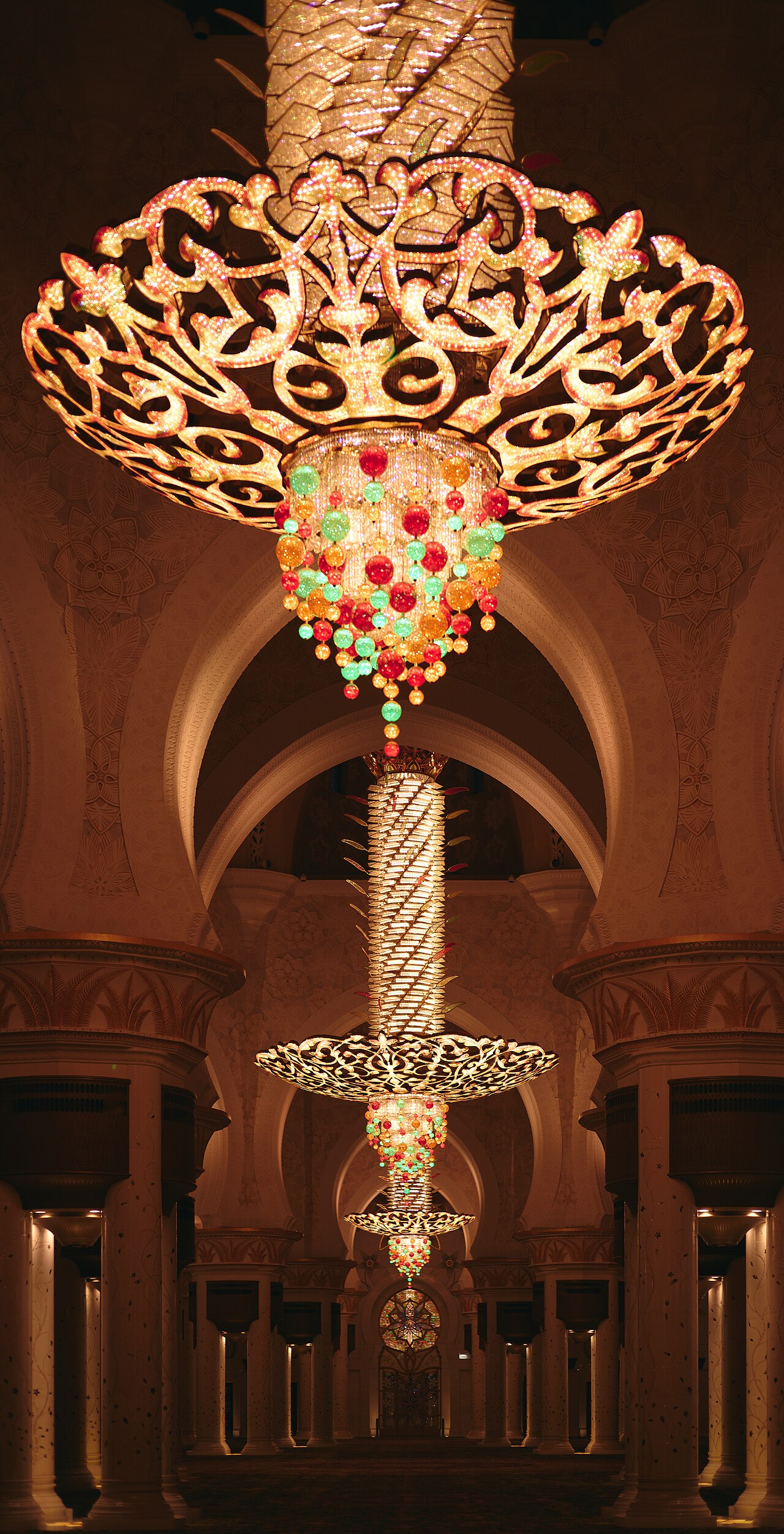
Sheikh Zayed Grand Mosque — This is not just the most impressive building in Abu Dhabi — it is one of the most beautiful places of worship in the world. The white marble exterior, 82 domes, over 1,000 columns, and the world's largest hand-knotted carpet create an atmosphere of genuine awe. Entry is free. Visit at sunset.
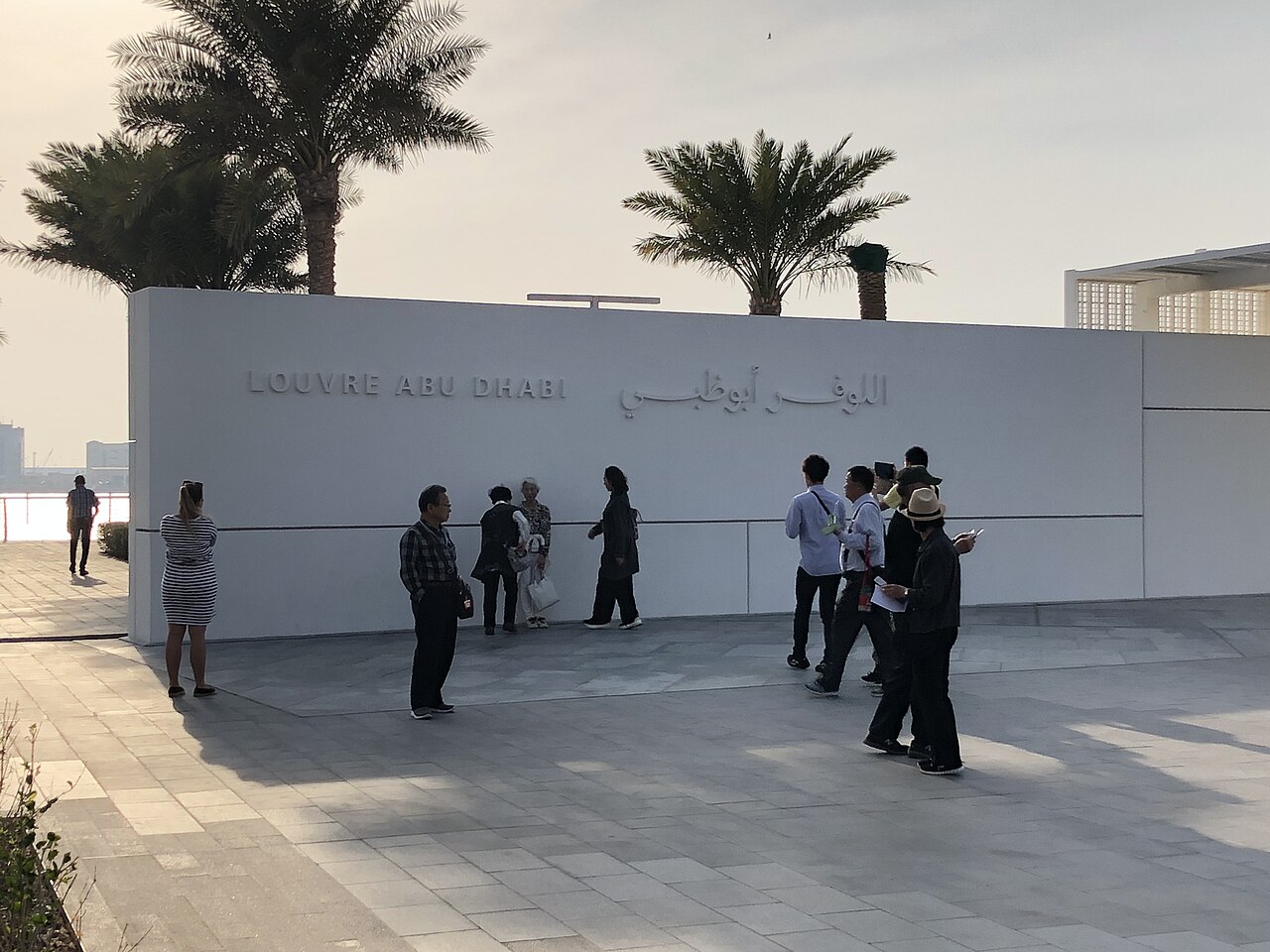
Louvre Abu Dhabi — Designed by Jean Nouvel, the museum's floating dome creates a mesmerizing rain of light effect. The collection spans 6,000 years of human creativity. Allow at least half a day.
Yas Island — Home to the Abu Dhabi Grand Prix, Ferrari World, Yas Waterworld, and Warner Bros. World.
Saadiyat Island — The cultural heart of Abu Dhabi. Pristine white-sand beaches, the Manarat Al Saadiyat art center, and several luxury resorts.
Qasr Al Watan — The Presidential Palace is partially open to visitors, and the architecture is breathtaking.
Kayaking through the Mangroves — A peaceful contrast to the city's grandeur. Paddling through quiet waterways surrounded by wildlife.
Desert Experience — The Liwa Desert offers some of the most dramatic sand dunes in the Arabian Peninsula.
Where to Stay
Emirates Palace Mandarin Oriental — The original Abu Dhabi palace hotel, spread across 1.3 kilometers of private beach.
The St. Regis Saadiyat Island — Directly on the beach with stunning Gulf views. The location near the Louvre makes it ideal for combining culture with relaxation.
Park Hyatt Abu Dhabi — On Saadiyat Island with a more intimate, resort-like feel.
Yas Hotel Abu Dhabi — The iconic hotel that straddles the Yas Marina Circuit, with a dramatic LED canopy.
Where to Eat
Zuma — Japanese izakaya-style dining on Al Maryah Island. The robata grill, sushi, and signature black cod with miso are outstanding.
La Petite Maison (LPM) — Just as beloved here as in Dubai. The burrata with black truffle, beef tartare, and Burgundy snails are all superb.
Hakkasan — Modern Chinese cuisine in Emirates Palace. Michelin-starred and deservedly so.
Bord Eau by Nicolas Isnard — Intimate French restaurant at Shangri-La. Seasonal, technique-driven cuisine.
COYA — Peruvian cuisine meets Abu Dhabi energy. Great ceviches and vibrant atmosphere.
NIRI — Contemporary Japanese on Mamsha Al Saadiyat. Winner of Restaurant of the Year three consecutive years.
Fouquet's — Inside the Louvre Abu Dhabi. Combine a museum visit with excellent Parisian brasserie cuisine.
Practical Tips
Getting around: Taxis are the most practical option. Renting a car is useful for exploring beyond the city.
Abu Dhabi vs. Dubai: Only 90 minutes apart by car. Abu Dhabi deserves at least two full days.
Culture: Slightly more conservative than Dubai. Dress modestly at the Grand Mosque.
Budget: Slightly more affordable than Dubai for hotels and dining.
Final Thoughts
Abu Dhabi rewards the curious traveler. The Louvre alone would justify a visit, but combine it with the Grand Mosque, the food scene, and the quiet beauty of its coastline, and you have a destination that deserves far more attention than it gets.
Have you visited Abu Dhabi? What surprised you most? Let me know in the comments.
— Remi André Lurud


Kommentarer
Legg inn en kommentar