The Ultimate Guide to Madrid: Art, Tapas, and the Spanish Way of Life

Madrid is a city that lives late and lives well. While Barcelona gets more international visitors, Madrid is where Spain's heart beats loudest — in the late-night tapas bars, the world-class art museums, the sun-drenched plazas, and the infectious energy of a capital that refuses to go to bed early. This is a city built for living, not just visiting.
When to Visit
Spring (April-June) and autumn (September-October) are ideal. Summer is hot (35°C+) but the city compensates with rooftop bars and late-night dining. Winter is cold but sunny, with excellent cultural programming.
What to See and Do
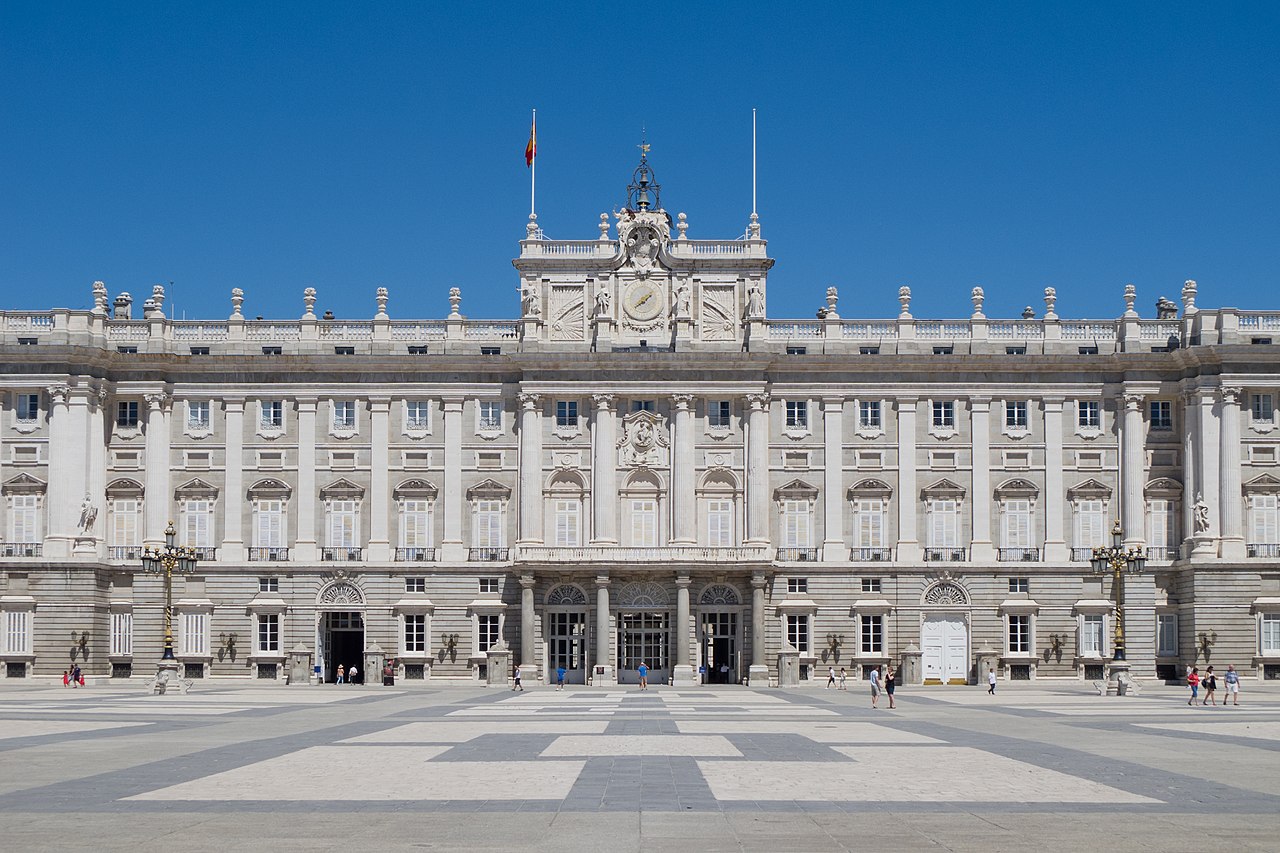
Museo del Prado — One of the world's great art museums. Velázquez's Las Meninas, Goya's black paintings, Bosch's Garden of Earthly Delights. Allow at least three hours, preferably a full morning.
Museo Reina Sofía — Home to Picasso's Guernica and an outstanding collection of 20th-century Spanish art. The building itself, a former hospital, is impressive.
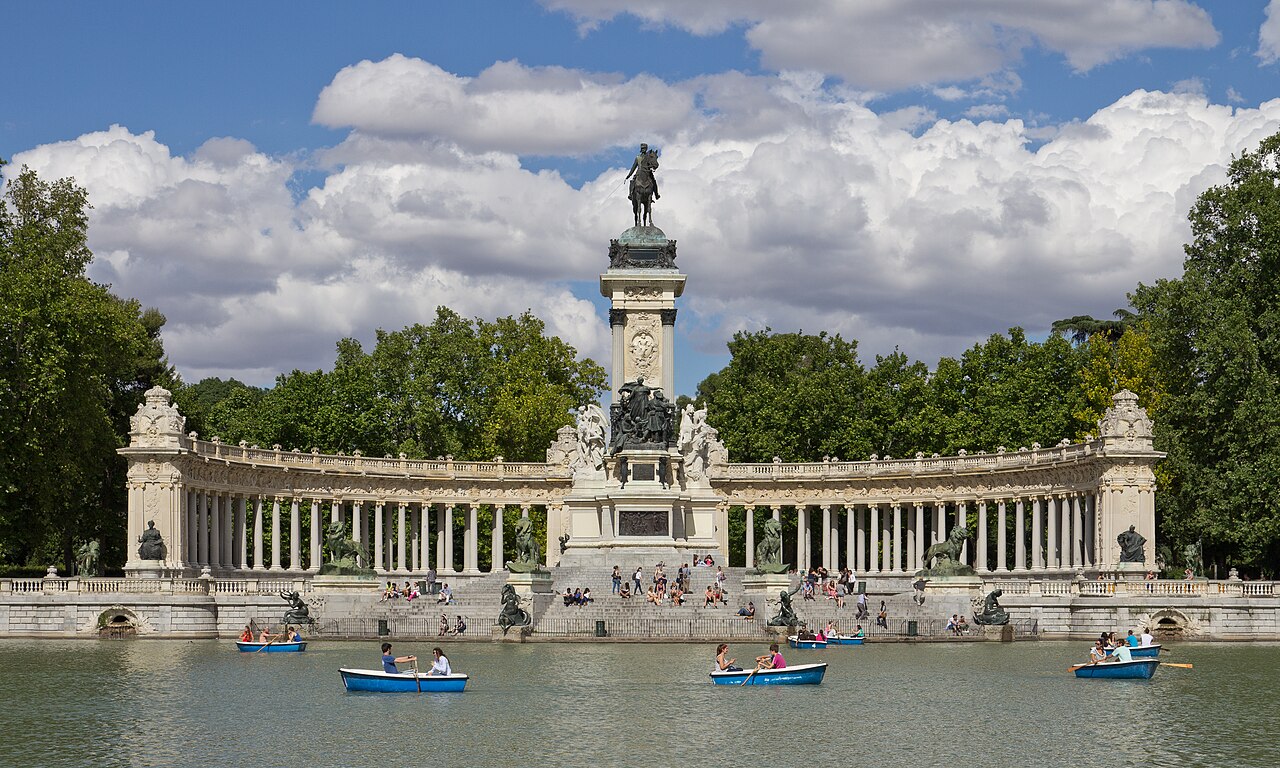
Retiro Park — Madrid's Central Park. Rent a rowing boat on the lake, visit the Crystal Palace, and escape the city without leaving it.
Barrio de las Letras — The literary quarter where Cervantes and Lope de Vega lived. Now filled with boutiques, tapas bars, and galleries.
Mercado de San Miguel — A beautiful iron-and-glass market near Plaza Mayor with gourmet food stalls. Touristy but fun for a tasting tour.
Rooftop bars — Madrid's azoteas are legendary. The Círculo de Bellas Artes rooftop offers one of the best views of the city skyline.
Where to Eat
DiverXO — Three Michelin stars. Chef Dabiz Muñoz's wildly creative, boundary-pushing cuisine is unlike anything else in Spain. Theatrical, intense, and unforgettable. Book months in advance.
Smoked Room — Two Michelin stars. Fire-based cooking at its most refined. The steak and smoked dishes are extraordinary.
Casa Lucio — A Madrid institution famous for huevos rotos (broken eggs over jamón and potatoes). Simple, satisfying, and beloved by everyone from taxi drivers to royalty.
La Barraca — Outstanding paella and rice dishes since 1935. The seafood paella is among the best in the city.
Lateral — Modern Spanish cuisine with several locations. Excellent for a sophisticated but casual meal.
Mercado de San Fernando (Lavapiés) — A neighborhood market with diverse food stalls. More authentic than San Miguel and much cheaper.
Where to Stay
Hotel Rosewood Villa Magna — Madrid's most refined luxury hotel on Paseo de la Castellana.
Only YOU Boutique Hotel — In Barrio de las Letras. Design-forward with a lively bar and central location.
Hotel Urso — A converted palace in the Alonso Martínez area. Quiet elegance with a spa.
Practical Tips
Eat late. Lunch at 2-3pm, dinner at 9-10pm. Adapting to Spanish timing is essential.
Metro: Excellent and cheap. Covers the entire city efficiently.
Day trips: Toledo (30 min by train), Segovia (30 min by AVE), El Escorial (1 hour).
Final Thoughts
Madrid does not try to impress you — it simply lives its life and invites you to join. The art is world-class, the food is outstanding, and the energy of a city that starts dinner at 10pm and finishes at 2am is irresistible. Give it at least three days.
What is your favorite thing about Madrid? Share below.
— Remi André Lurud
Les også: Oslo Takst AS · Markveien Eiendom AS


Kommentarer
Legg inn en kommentar