The Ultimate Guide to Marrakech: Everything You Need to Know
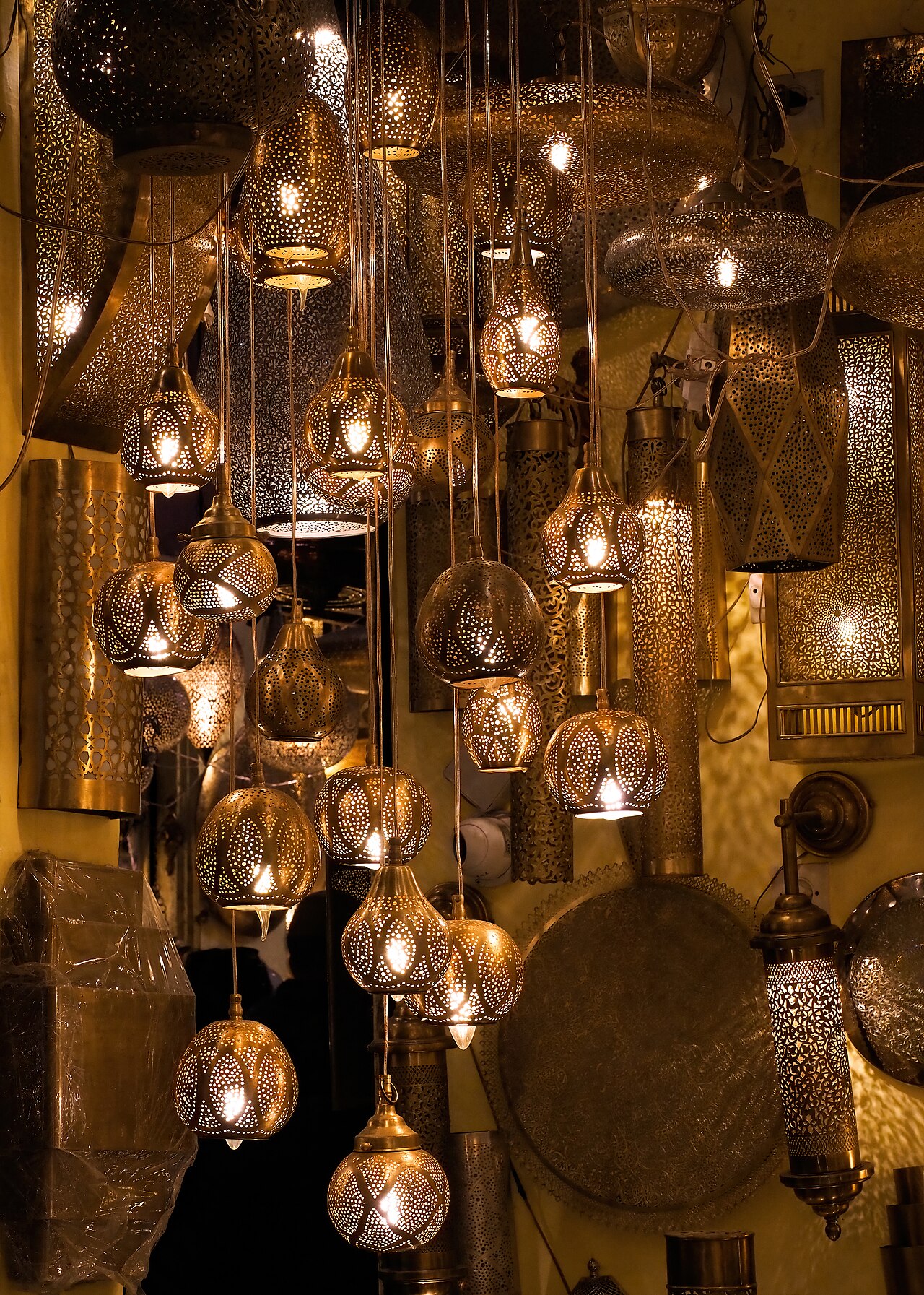
Marrakech is a city that hits all your senses at once. The sound of the call to prayer echoing over the medina, the smell of spices and cedar, the kaleidoscope of colors in the souks, the taste of slow-cooked tagine — there is nothing subtle about this place, and that is exactly its appeal. It can be overwhelming on the first visit, but give it a day and the rhythm starts to feel natural.
Here is everything you need to know before you go.
When to Visit
The best months are March to May and September to November, when temperatures are warm but manageable (around 22–28°C). Summer is brutally hot, often exceeding 40°C. Winter (December to February) is mild during the day but cold at night, especially in riads without heating.
Where to Stay
Royal Mansour — Built by King Mohammed VI, this is Marrakech at its most extraordinary. Each room is a private three-story riad connected by underground tunnels for service staff. The spa, gardens, and restaurants are world-class. From around $800 per night.
La Mamounia — One of the great hotels of the world. Winston Churchill painted here. The gardens are legendary, the Art Deco interiors are immaculate, and the pool area with Atlas Mountain views is unforgettable.
Riad Yasmine — For those who want the authentic riad experience at a reasonable price. A beautifully restored courtyard house with a small pool, rooftop terrace, and genuine Moroccan hospitality.
El Fenn — Boutique, artistic, and contemporary. Multiple rooftop terraces, a small pool, and a location right at the edge of the medina. Popular with creative types and design lovers.
What to See and Do
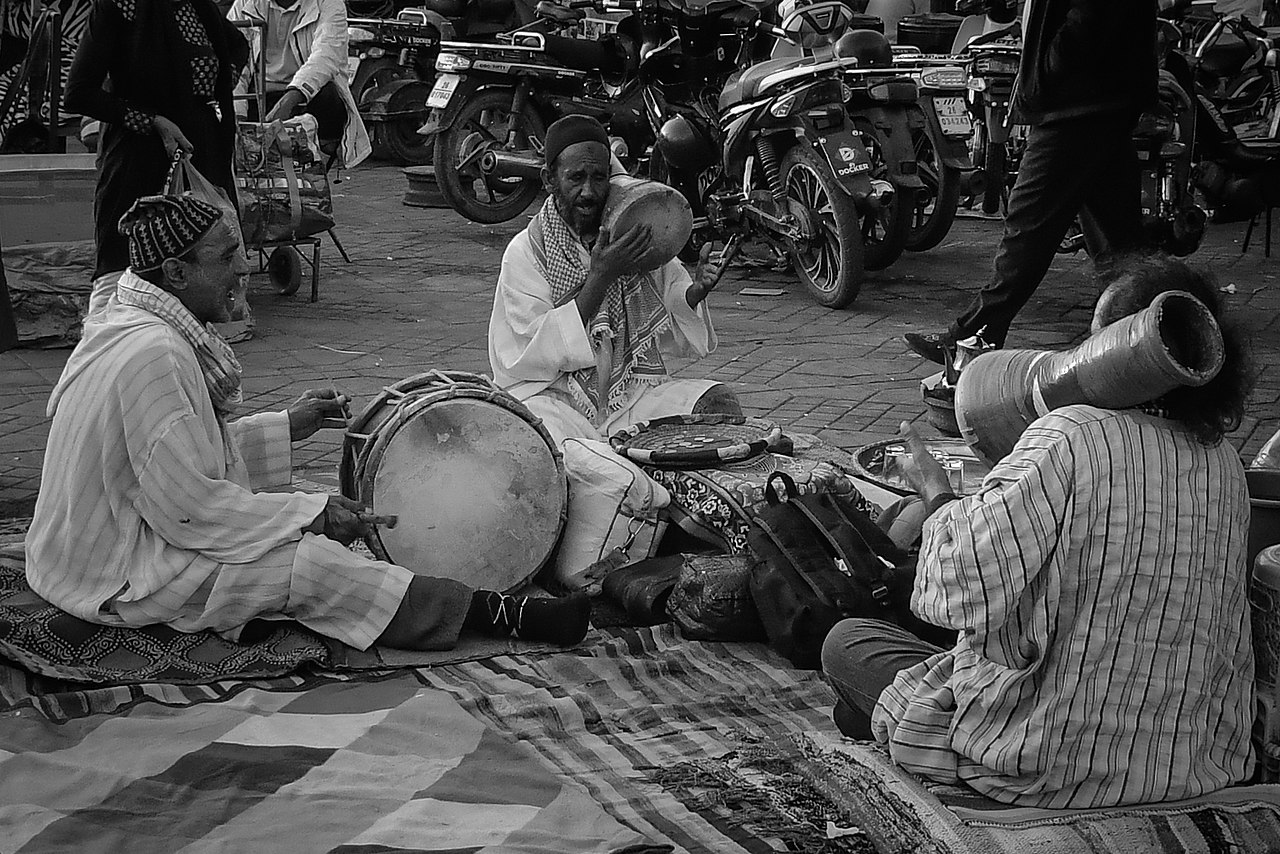
Jemaa el-Fnaa — The main square and the beating heart of Marrakech. Snake charmers, storytellers, musicians, and food stalls transform this space every evening into something unforgettable. Go at sunset.
The Souks — Miles of covered markets selling everything from leather goods and ceramics to spices and textiles. Negotiate everything. The deeper you go, the better the prices.
Bahia Palace — A stunning 19th-century palace with intricate tilework, carved cedar ceilings, and peaceful gardens.
Jardin Majorelle — The cobalt blue garden created by Jacques Majorelle and later restored by Yves Saint Laurent. Small but visually striking. The adjacent YSL museum is excellent.
Ben Youssef Madrasa — A former Islamic college with breathtaking geometric tilework and architecture. One of the most photogenic spots in the city.
Atlas Mountains day trip — The Ourika Valley or Imlil are both reachable in about an hour, offering Berber villages, waterfalls, and mountain scenery that contrasts dramatically with the city.
Where to Eat
Le Jardin — Hidden inside the medina, this garden restaurant serves excellent Moroccan and international cuisine. The setting under banana trees and bougainvillea is magical.
Nomad — Modern Moroccan cuisine with a rooftop terrace overlooking the spice souk. The lamb tagine with prunes and the cauliflower steak are both outstanding.
Al Fassia — Run entirely by women, this restaurant has been serving traditional Moroccan food for over 30 years. The lamb with caramelized pear and the pastilla are exceptional.
Dar Yacout — A palace dining experience. Multiple courses of traditional Moroccan cuisine served in ornate rooms with rooftop views. Book in advance and dress well.
Jemaa el-Fnaa food stalls — For the adventurous. Each stall has a number and its own specialty. Stall 1 is famous for its harira soup, while others specialize in grilled meats, snails, or sheep's head (for the truly brave).
Practical Tips
Money: Moroccan Dirham (MAD). Around 10 MAD = 1 EUR. Cash is essential in the medina.
Haggling: Expected in the souks. Start at about 40% of the asking price and work from there.
Dress code: Modest clothing is appreciated, especially for women. Cover shoulders and knees in the medina.
Getting around: Walk in the medina (cars cannot enter most areas). Use petit taxis (insist on the meter) for longer distances.
Guides: An official guide for a half-day medina tour is worth the investment on your first visit. Around 300-400 MAD.
Safety: Generally safe, but be aware of common scams (unsolicited guides, henna artists, monkey handlers). A firm but polite "no thank you" works.
Final Thoughts
Marrakech is not a city you visit casually — it demands your attention and rewards it generously. The medina can be chaotic, the heat can be intense, and the haggling can be exhausting. But the beauty of the architecture, the depth of the food, and the sheer sensory richness of the place make it one of the most memorable cities in the world.
Have you visited Marrakech? What was your most memorable experience? Share in the comments.
— Remi André Lurud
Les også: Gitarblogg | Oslo Takst AS | MEAS Eiendomsmegling


Kommentarer
Legg inn en kommentar