The Ultimate Guide to Lisbon: Tiles, Trams, and the Best Pastéis in the World
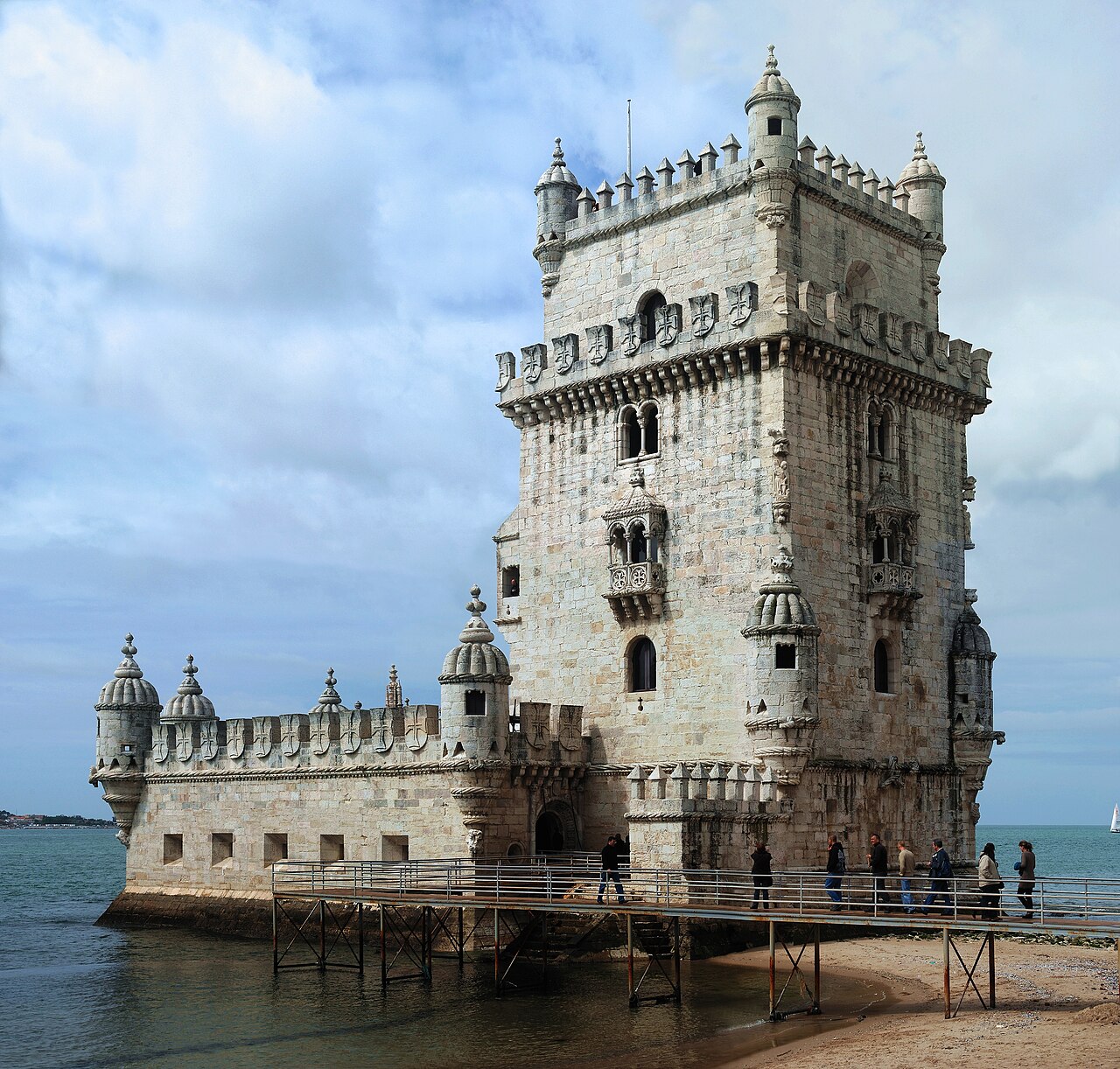
Lisbon has a quality that is hard to define but impossible to miss. Maybe it is the light — that golden Atlantic glow that makes every tiled facade look like a painting. Maybe it is the melancholy of fado drifting from an Alfama doorway. Or maybe it is the fact that this is a European capital that still feels affordable, authentic, and genuinely welcoming. Whatever it is, Lisbon gets under your skin fast.
When to Visit
April to June and September to October are ideal. Summer is warm and sunny but increasingly crowded. Winter is mild (12-15°C) and quiet, with occasional rain. Spring brings jacaranda trees in full bloom across the city.
What to See and Do
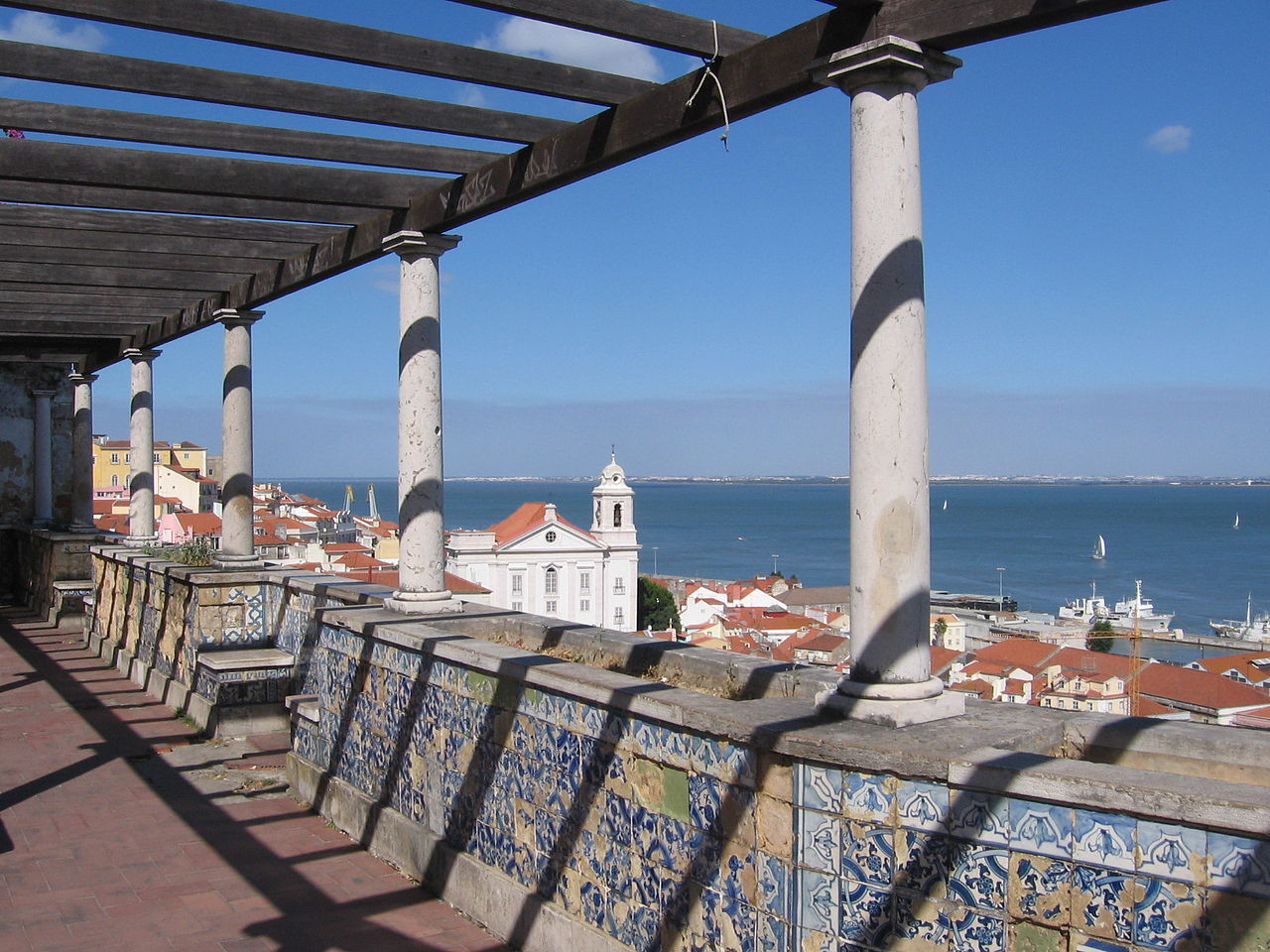
Alfama — The oldest district, a maze of narrow streets, fado houses, and viewpoints. Wander without a map. The Miradouro da Graça and Miradouro de Santa Luzia offer stunning views.
Belém — The neighborhood of monuments. The Jerónimos Monastery, the Tower of Belém, and Pastéis de Belém (the famous custard tarts). Allow a full morning.
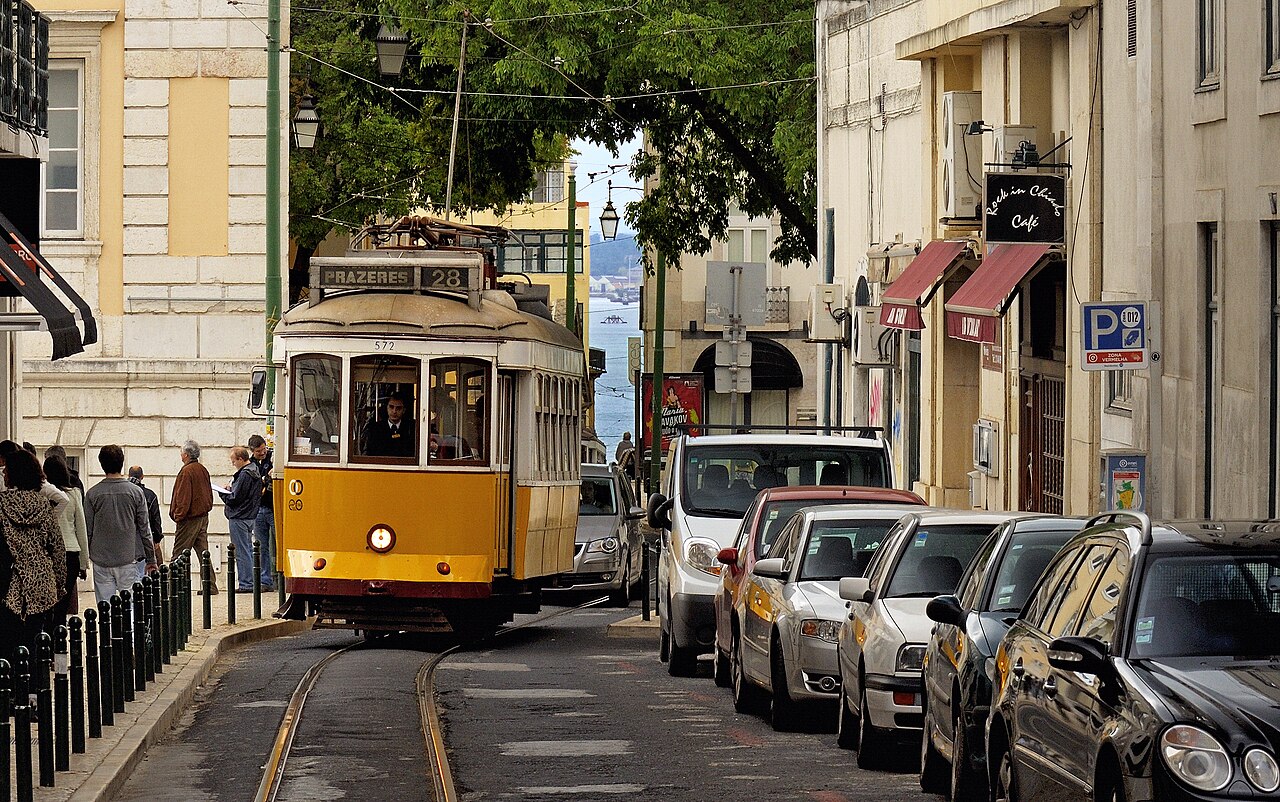
Tram 28 — The iconic yellow tram that rattles through the historic neighborhoods. Ride it for the experience, but beware of pickpockets.
LX Factory — A converted industrial complex in Alcântara with restaurants, bookshops, galleries, and weekend markets.
MAAT — The Museum of Art, Architecture and Technology on the waterfront. The building by Amanda Levete is stunning even if you skip the exhibitions.
Bairro Alto — Quiet during the day, alive at night. Bars, restaurants, and the heart of Lisbon's nightlife.
Sintra day trip — Fairytale palaces just 40 minutes by train. Essential (see separate guide).
Where to Eat
Belcanto — Two Michelin stars by José Avillez. Modern Portuguese cuisine at its finest. The tasting menu reimagines traditional dishes with stunning technique. Book well ahead.
Cervejaria Ramiro — The seafood institution. Tigers prawns, percebes (barnacles), and steak sandwiches. Go hungry, queue patiently, eat spectacularly.
Taberna da Rua das Flores — Tiny, no-reservations, and serving some of the best petiscos (Portuguese tapas) in the city. The cured meats and canned fish are outstanding.
Time Out Market — In the Mercado da Ribeira. Multiple stalls from top Lisbon chefs under one roof. Touristy but the quality is genuine.
Pastéis de Belém — The original pastéis de nata since 1837. Warm, crispy, creamy, and dusted with cinnamon. Accept no substitutes.
Where to Stay
Bairro Alto Hotel — In the heart of Chiado. Elegant rooms, rooftop bar with river views. Best location in the city.
Memmo Alfama — In the heart of Alfama with a terrace pool overlooking the Tagus. Intimate and stylish.
The Lumiares — A converted 18th-century palace in Bairro Alto with apartments and a rooftop restaurant.
Practical Tips
Hills: Lisbon is steep. Wear comfortable shoes. The trams and elevators help.
Budget: Still one of Europe's more affordable capitals, though prices have risen.
Ginjinha: The sour cherry liqueur. Try it at A Ginjinha near Rossio. One shot standing at the counter.
Final Thoughts
Lisbon is a city that rewards slow exploration — wandering through Alfama's alleys, lingering over a pastéis de nata, watching the light change over the Tagus. It is beautiful, warm, and unpretentious. Go before it changes too much.
What is your favorite corner of Lisbon? Share below.
— Remi André Lurud
Les også: Takst og rådgivning i Oslo · remilurud.no


Kommentarer
Legg inn en kommentar